
OCAS Needs to Cool It: An Urgent Plea for Temperature Regulation
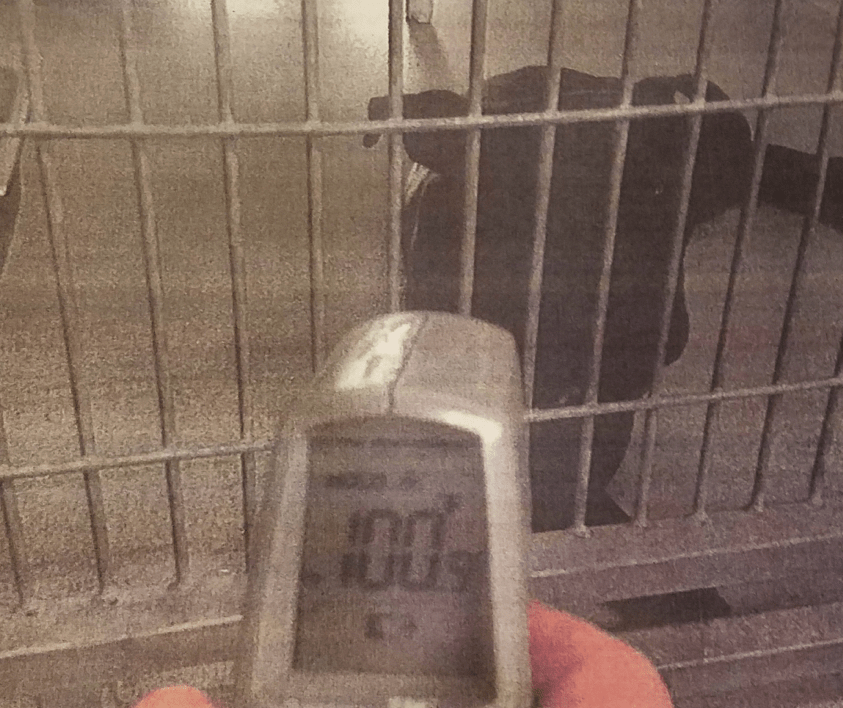
Every minute, vulnerable animals at the OCAS (Orange County Animal Services) shelter are subjected to sweltering temperatures. This is not just about comfort—it is about survival.
The Immediate Need – For the welfare of the animals, the shelter must:
- Ensure temperatures never exceed 77°F.
- Maintain the air conditioning system diligently.
- Conduct regular temperature audits.
Known to reach sweltering temperatures upwards of 90°F, OCAS presents a looming health threat to its animal inhabitants. Moreover, while there is chatter about a new shelter, progress remains in limbo. The present is what matters, and OCAS needs to act now to ensure temperatures stay under 77°F.
Background and Issues
Consistent reports since 2016 have flagged OCAS’s soaring temperatures (Ray, 2016)(Hudak, 2020). Given the indefinite halt, Orange County’s promise of a new shelter by 2026 seems distant (TODO LINK). Animals cannot wait; OCAS needs to act now.
Understanding the Grave Implications of Overheating
- Cats’ Stressful Living Conditions: The cat holding area in building 400 has temperatures reaching 90°F, necessitating loud fans, which, combined with the barking from the dogs housed in the same vicinity, elevates stress levels for the feline residents (University of Florida Veterinary Medicine, 2010).
- Dogs and Overheating: The internal temperature of dogs should not exceed 104°F (The Humane Society of the United States, n.d.). Furthermore, certain breeds with short muzzles, such as boxers, pugs, and shih tzus, struggle more with breathing in high temperatures. A report by Kruzer in 2021 stated that dogs begin to feel the effects of heat when temperatures go over 77°F.
- Life-Threatening Risks: Animals, especially old, very young, overweight, or with heart or respiratory diseases, are particularly susceptible to heat strokes (The Humane Society of the United States, n.d.). Signs of heat stroke in animals include heavy panting, glazed eyes, rapid heartbeat, difficulty breathing, and many more.
- Rabbits’ & Guinea Pig Sensitivity: According to a study by the University of Florida Veterinary Medicine in 2010, rabbits struggle to regulate their body heat in caged environments, significantly when temperatures rise above 82°F. The recommended temperature for rabbits and guinea pigs in a laboratory setting ranges between 64 to 72°F.
- Risk of Organ Damage or Death: Exposing animals to temperatures over 120F can lead to irreversible organ damage or even death (The Humane Society of the United States, n.d.).
- Inefficacy of Fans: Relying on fans is not a viable solution since pets, especially dogs, react differently to heat than humans. Dogs mainly sweat through their feet, making fans less effective for them (The Humane Society of the United States, n.d.).
The Road Ahead
The temperature situation at OCAS requires attention now—air conditioning maintenance, temperature audits, and heightened summer oversight. Prioritize the health and well-being of our animal companions. They rely on us, and we must not fail them.
References
Hudak, S. (2020, February 27). New Orange County Animal Services Building could cost $34 million. Orlando Sentinel. Retrieved September 2, 2023, from https://www.orlandosentinel.com/2020/02/27/new-orange-county-animal-services-building-could-cost-34-million/
The Humane Society of the United States. (n.d.). Keep pets safe in the heat. The Humane Society of the United States. Retrieved September 2, 2023, from https://www.humanesociety.org/resources/keep-pets-safe-heat
Kruzer, A. (2021, August 27). How Hot Is Too Hot for Dogs? The Spruce Pets. Retrieved September 2, 2023, from https://www.thesprucepets.com/what-is-too-hot-for-dogs-3975543
Ray, K. (2016, July 6). Animal advocates push for Orange County to get AC for animal shelter. WFTV. Retrieved September 2, 2023, from https://www.wftv.com/news/local/animal-advocates-push-for-orange-county-to-get-ac-for-animal-shelter/389120382/
University of Florida Veterinary Medicine. (2010, July 15). Orange County Animal Services Shelter Health Assessment Services Consultation Report. Google Drive. Retrieved September 2, 2023, from https://drive.google.com/file/d/1WPVrvjh7IUzJKcajs2o5CxhdO39kSXTE/view?usp=sharing
 Improve OCAS Movement